


By Rafi Moshe, founder of StoriedLife.
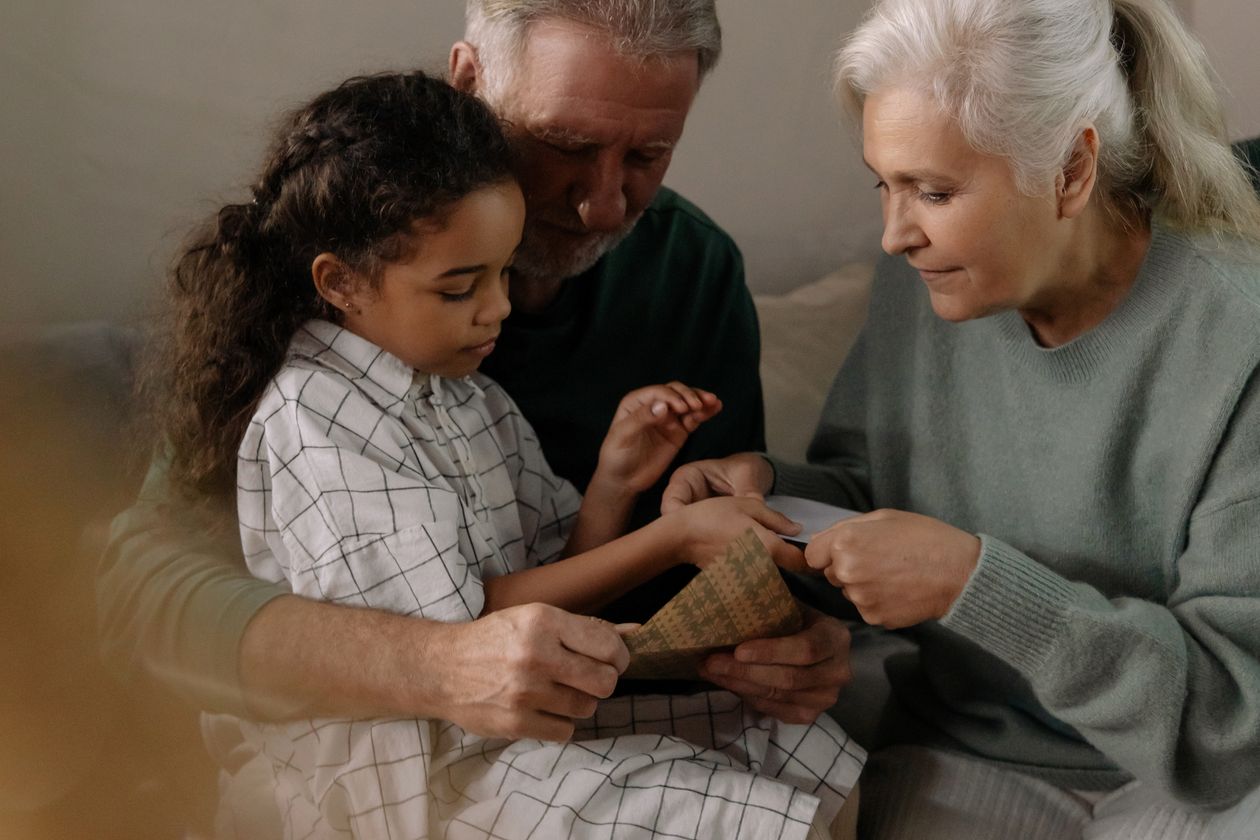
If you are working out how to capture your parents’ life story, the short answer is this: get them talking, record it in their own voice, and turn the conversations into something the family can keep. There are three honest ways to do it. You can record them yourself, you can hire a biographer or ghostwriter to do it for you, or you can use a guided service that interviews them and builds the book with you. Each route works. They differ in what they cost, how long they take, and how much of the work lands on you.
This guide walks through all three, plus the interview habits that make the difference between a flat transcript and a real story. Full disclosure: StoriedLife, the guided service described later, is our product. The other routes are described the way we would describe them to a friend, because for many families one of those is the right answer.

Why this is worth doing now
I started StoriedLife for a selfish reason. Both of my grandfathers died before I could hear their stories. They had lived through things I can barely picture, and they almost never talked about them. My mother’s father, Leon, was close to me until I was six and shaped my character more than almost anyone, and I still know only fragments of his life. There is no route back to those conversations.
My father is the other side of that story. He has been telling his life to Eva, our AI biographer, for over a year, at his own pace, in his own words. His stories exist now. The only version of this project that fails is the one that waits for a better time.
Start with conversation, not a blank page
Most parents who freeze in front of a memoir worksheet will talk happily for an hour if you ask the right question across a kitchen table. Talking is how they have told stories their whole lives. Writing is a skill many left behind at school, and asking them to write their life story asks them to do the hardest part first.
A few habits separate a good interview from a dutiful one:
- Ask open questions, then follow the answer. “Did you like school?” gets a yes. “What do you remember about your first day at school?” gets a story. The detail lives in the follow-up: “Who sat next to you?” “What did the room look like?”
- One theme per sitting. Childhood, work, meeting your other parent, the hard years. Thirty to sixty minutes on one theme beats a rushed tour of a whole life, and it leaves your parent looking forward to the next session instead of dreading it.
- Pick a quiet, familiar place. Their kitchen, their chair, a cup of tea nearby. Oral history interviewers have worked this way for decades: comfort and an unhurried pace produce longer, more honest answers.
- Let the silences sit. A pause usually means a memory is surfacing. Jumping in with the next question cuts it off.
- Bring prompts, not a script. Old photographs, a wedding ring, a tool from their trade. Objects unlock stories that direct questions miss. If you want a ready-made starting set, our list of questions to ask your mom works for fathers too, with small changes.
- Do not correct the record mid-story. If a year sounds wrong, note it and check later.
Four questions that reliably open things up: “What did home feel like when you were growing up?” “What work are you proudest of?” “What do you know now that you wish you had known at twenty?” “What should your grandchildren know about the family they come from?”
The three routes, compared honestly
Route 1: Record them yourself
The DIY route costs almost nothing and can be the most intimate version of this project. A phone on the table records better audio than most families expect. You move at your parent’s pace, and some parents open up to a son or daughter in ways they never would to a stranger.
The honest costs are your time and your follow-through. Recording is the easy part. Transcribing hours of audio, editing it into readable chapters, adding photos and getting a book printed is a second project, and it is where most families stall. If you take this route, label every recording with the name, date and topic on the day you make it, and keep copies in two places. Family recordings are lost every day to dead phones and unlabeled files.
Route 2: Hire an autobiographer or ghostwriter
A good human writer brings things no other route can: literary craft, structure, and the judgment to shape a life into a narrative that reads like a book because it is one. For a parent with a remarkable story and a family with the budget, this is the premium option.
Go in with your eyes open about the numbers. Freelance biographers commonly charge several thousand to tens of thousands of dollars, depending on the writer, the interview hours and the length of the book. Packaged services sit in the same territory: StoryTerrace charges $1,200 for a package built on four interview hours and from $3,250 for its larger Classic package, with timelines measured in months. Interview time inside a package is finite, and the finished book is the writer’s rendering. Your parent’s voice is in the words, not in the product itself.
If you hire, do four things the good services will expect anyway. Read writing samples first, and listen for whether the writer can sound like someone else. Agree the boundaries in advance: which topics are off limits, and who sees drafts. Settle the timeline, the revision rounds and who owns the interview recordings, in writing. And agree what happens to the material if the project stops halfway.
Route 3: Use a guided service
The guided route sits between the two. A service handles the interviewing structure and the production of the book, while your parent still does the telling. The services differ mainly in how the telling happens. Some, like StoryWorth ($69 to $99 for a year), send a question each week by email, and your parent writes or voice-records an answer. That suits a parent who likes writing and a weekly rhythm. Others interview by conversation, the StoriedLife model described next: a live back-and-forth that follows up on answers the way a person would.
| Route | Typical cost | Time to a finished book | Who does the work | The trade-off |
|---|---|---|---|---|
| Record it yourself | Almost nothing beyond your time | Months, if the editing gets done | You: interviewing, transcribing, editing, printing | Most intimate, easiest to stall |
| Hire a biographer or ghostwriter | Several thousand to tens of thousands of dollars | Months, on the writer’s schedule | The writer; your parent is the source | Highest craft, highest price, finite interview hours |
| Guided service | $59 to $118 for a year with StoriedLife, book included | Stories appear as conversations happen; printing about 7 business days once ready | The service interviews and produces; your parent talks | Less literary shaping than a senior ghostwriter |
Both comparisons go deeper: StoriedLife versus hiring a biographer, and how much it costs to create a memoir book.
How to capture your parents’ life story with a guided conversation
StoriedLife’s interviewer is Eva, an AI biographer. Your parent talks with her in a web app, on a phone, tablet or computer, with nothing to download. Eva asks a question, listens to the answer, and follows up on it in the moment, the way the habits above describe. She also remembers across conversations, so the fourth session builds on what the first three covered, and the questions get better as she learns the shape of a life.
The original recordings are kept in your parent’s account, where the family can play them back. Eva writes the stories up into chapters and can narrate them aloud. When the family is ready, the stories become a printed book of up to 300 pages in full colour, with family photos placed alongside the stories they belong to. Every story in the book carries a QR code; scanning it plays the storyteller’s own voice, telling that story in the original conversation it came from. The stories also live in a 3D story gallery, and family members can ask Eva questions about their parent’s life and get answers drawn from the stories themselves. How it works shows the flow end to end.
Pricing is one annual membership with the book included at every level: Digital at $59 a year with a PDF book, Storyteller at $98 with a printed colour softcover, and Keepsake at $118 with a printed colour hardcover. Extra copies are $39 and $59. The first stories are free, with no card needed, so your parent can try a real conversation before anyone pays anything. The honest limitation: a talented human ghostwriter will shape prose with a literary touch an AI does not match. What the guided route gives back is time, your parent’s actual voice in the finished product, and a book that exists this season instead of next year. Full details are on the pricing page.
Look after the recordings like the heirloom they are
Treat the raw recordings as the family archive and the book as its finest edition. Label files with the storyteller’s name, the date and a few words about the topic. Keep at least two copies in different places, and write down the names of people mentioned while someone still remembers them. Ten minutes of housekeeping per session is the difference between an archive your grandchildren can use and a folder nobody opens with confidence.
Shape the stories into a book the family will actually read
A life sorts naturally into chapters: childhood, school and first work, love and family, the hard chapters, and what they make of it all now. Grouping stories by life phase or by theme, such as love, work and resilience, reads better than strict date order. Place each photograph beside the story it belongs to, not in a gallery at the back. Leave out the filler, even when it was charming in conversation; a shorter book that gets read beats a complete one that does not.
Two courtesies matter here. The storyteller sets the boundaries: a story told in confidence can stay in the recordings and out of the book, and that call is theirs. And let them hear a finished chapter early. Parents who see their words treated with care usually relax, go deeper, and start offering the stories they were holding back.
Begin with one conversation
You do not need a plan for the whole book. You need one good conversation, this week, while it is still easy to have. Your parent can talk with Eva free, with no card and nothing to install, just to feel how it goes. Many families sit beside them for the first one, with the tea made and the photographs out.
Start a free conversation with Eva, and hear what your parent sounds like telling their own story.
Frequently asked questions
How long does it take to capture a parent’s life story?
The first real story can exist after a single thirty-minute conversation. A book-length collection usually builds over a few weeks of regular sessions. A hired biographer works in months. The DIY route takes as long as the editing takes, which is where most families lose momentum.
What if my parent says their life was ordinary and not worth recording?
Almost every parent says this, including ones who crossed oceans, built businesses or raised six children on nothing. Ordinary is the wrong test. Ask what they would want their grandchildren to know about where the family comes from, and start there. The everyday detail, the price of bread, the walk to school, how a courtship actually worked, is exactly what disappears first.
What if my parent’s memory is fading?
Start sooner, keep sessions shorter, and lean on earlier memories, which often stay vivid longest. Photographs and familiar objects help, and talking usually asks less of them than writing does. Capture what is there now rather than waiting for a clearer day that may not come.
Does my parent need to be good with technology?
No. With StoriedLife they open a web page and talk; there is nothing to download and nothing to learn beyond speaking and listening. If even that feels like a barrier, sit with them for the first conversation. Hiring a biographer removes technology entirely, at the prices described above.
What does it cost, in total?
Doing it yourself costs your time. A guided service like StoriedLife costs $59 to $118 for the year, book included, plus extra copies if wanted. A professional biographer typically runs from several thousand to tens of thousands of dollars. The full breakdown is in our memoir book cost guide.
Sources
Sources, all checked in October 2026. Interview method follows the Smithsonian and Oral History Association guides below; archiving advice follows the Library of Congress programme. Ghostwriting prices are from StoryTerrace’s published pricing, checked the same week.
- Smithsonian Center for Folklife and Cultural Heritage, oral history interviewing guide: folklife.si.edu
- Oral History Association, best practices: oralhistory.org
- Library of Congress, personal archiving guidance: digitalpreservation.gov
- StoryCorps, Great Questions list: storycorps.org